





My Role & Skills
The Tech i used daily:











Project Timeline
11 months
Team
CC
Carlos Cortés
Team Lead
RA
Rui Albasini
Product Designer
DR
David Rodriguez
UI Designer
JL
Juan Lopera
Developer
FF
Fahim Foysal
Developer
Chapter 01
FRAMING
Defining the problem space and business goals for a legacy tourism giant.
PROJECT CONTEXT
TicketGo Tourism/Travify is an online travel ticket reseller that sells entry tickets and experiences for major tourist attractions,
The goal was to reduce friction between inspiration and booking by prioritizing mobile-first discovery, transparent information, and fast checkout flows.
THE CORE CHALLENGE
TicketGo, a legacy tourism giant, was bleeding users. Despite massive
traffic, the booking ecosystem was a friction-filled labyrinth.
TicketGo, a legacy tourism giant, was bleeding users. Despite massive traffic, the booking ecosystem was a friction-filled labyrinth.
THE GOALS
ORIGINAL EXPERIENCE PROBLEMS
TicketGo, a legacy tourism giant, was bleeding users.
Despite massive traffic, the booking ecosystem was a friction-filled labyrinth.
MY MISSION:
Lead a radical UX overhaul to fix a clunky utility into a high-velocity, trust-first
travel companion.

Chapter 02
Deep dive into user behavior, markets and emotional
friction of booking.
Initial Defined Sucess Metrics
Baseline conversion rate for tour bookings.
Time required for users to find a suitable experience.
Initial measurement of customer satisfaction and brand trust.
Total duration from discovery to purchase confirmation.
Percentage of visitors leaving before interacting
with listings.
User Research
Through heuristic analysis of the Travify homepage and booking flow, we identified patterns
in user behavior and potential friction points.
FRAMING QUESTIONS EARLY
01.
How can we make the attractions feel more desirable and immediately bookable?
02.
How do we communicate reliability and transparency when users are wary of third-party ticket sellers?
03.
How do we balance beautiful destination imagery with fast performance and scannable content?
04.
How do we balance beautiful destination imagery with fast performance and scannable content?
AUDIENCE CENTERED STRATEGY
Our research identified that our core audience, women aged 21 to 50, who prioritizes intuitive efficiency and vibrant aesthetics. We translated these psychological drivers into a sophisticated, high-energy design system.
Design decisions therefore focused on reducing friction, increasing emotional engagement, and helping users commit quickly without uncertainty.
PSYCHOLOGICAL DRIVER
Instant Gratification
Users respond positively to fast feedback and frictionless actions. Streamlining checkout and reducing steps helps maintain momentum during the booking process.
PSYCHOLOGICAL DRIVER
Present Bias
Users favor immediate rewards over future benefits. Flexible payment options and simplified pricing reduce the perceived barrier to purchase.
PSYCHOLOGICAL DRIVER
Social Validation
Ratings, reviews, and social proof help users feel confident choosing experiences in unfamiliar destinations.
RESEARCH & DISCOVERY
USER SURVEYS
N=51
Collected quantitative insights to identify recurring pain points and behavioral patterns.
USER INTERVIEWS
N=20
In-depth conversations exploring emotional friction and decision-making during the booking process.
CLARITY ANALYTICS
Heatmaps and session recordings revealed rage clicks and navigation loops.
TARGET USERS (PRIMARY PERSONA)
In order to empathize with the different types of users, we developed so-called proto-personas, which are based purely on experience and assumptions. These serve as a starting point to reflect on the needs and challenges of the user and possible solutions that can be considered later in building the information architecture.


PRIMARY USER NEEDS
Across research and persona insights, several recurring needs emerged:
Discover compelling experiences quickly.
Understand pricing, duration, and availability upfront.
Feel confident in the legitimacy of the service.
Access transparent reviews and social proof.
Complete bookings quickly with minimal friction
CARD SORTING
To improve the discoverability of experiences, we conducted an open card-sorting exercise with 10 participants.
Participants grouped attractions, experiences, and booking options into categories that felt intuitive to them. The results helped inform the structure of the discovery feed, filtering system, and navigation hierarchy.
USERS INSIGHTS
How might We
Solutions
This activity ensured the information architecture reflected how users naturally organize travel experiences, rather than relying on internal assumptions.
Chapter 03
DESIGN
Designing a high-velocity booking experience with a mobile-first approach.
The solution
We established four core principles:
Clarity over decoration
Remove visual noise and unnecessary elements. Prioritize information that supports fast decision-making.
Guide, Don’t Overwhelm
Structure content using progressive disclosure so users receive the right information at the right moment.
Thumb-First Interaction
Primary actions are positioned within natural thumb reach to support comfortable one-handed use.
Build Trust at every stage
Each stage of the booking journey reinforces reliability through clear pricing, confirmations, and transparent feedback.
VISUAL IDENTITY FOUNDATIONS
Structure content using progressive disclosure so users receive the right information at the right
moment. We tryed to ensure all components passed WCAG 2.1 Color contrast at minimum.
Colors
Spacing
Typography
Grid System
Colors
Main Color
#FF3C9A
Primary Pink (#FF3C9A) is a bold magenta that radiates energy and femininity. The brand's signature hue to captivate female audiences and spark excitement for event discovery. It leads the palette with strong accessibility and emotional impact.
Background
#F6F6F6
Primary
#FF3C9A
Primary Light
#FAE7F0
Background
#F6F6F6
Secondary
#9F47E0
Secondary Light
#F5EDFC
Categorical Colors
Danger
#FF5A4F
warning
#FFD596
Success
#32C997
Font Colors
Title Color
#292D32
Text Color
#292D32
Info Color
#D38E13
Tecnical Constraints
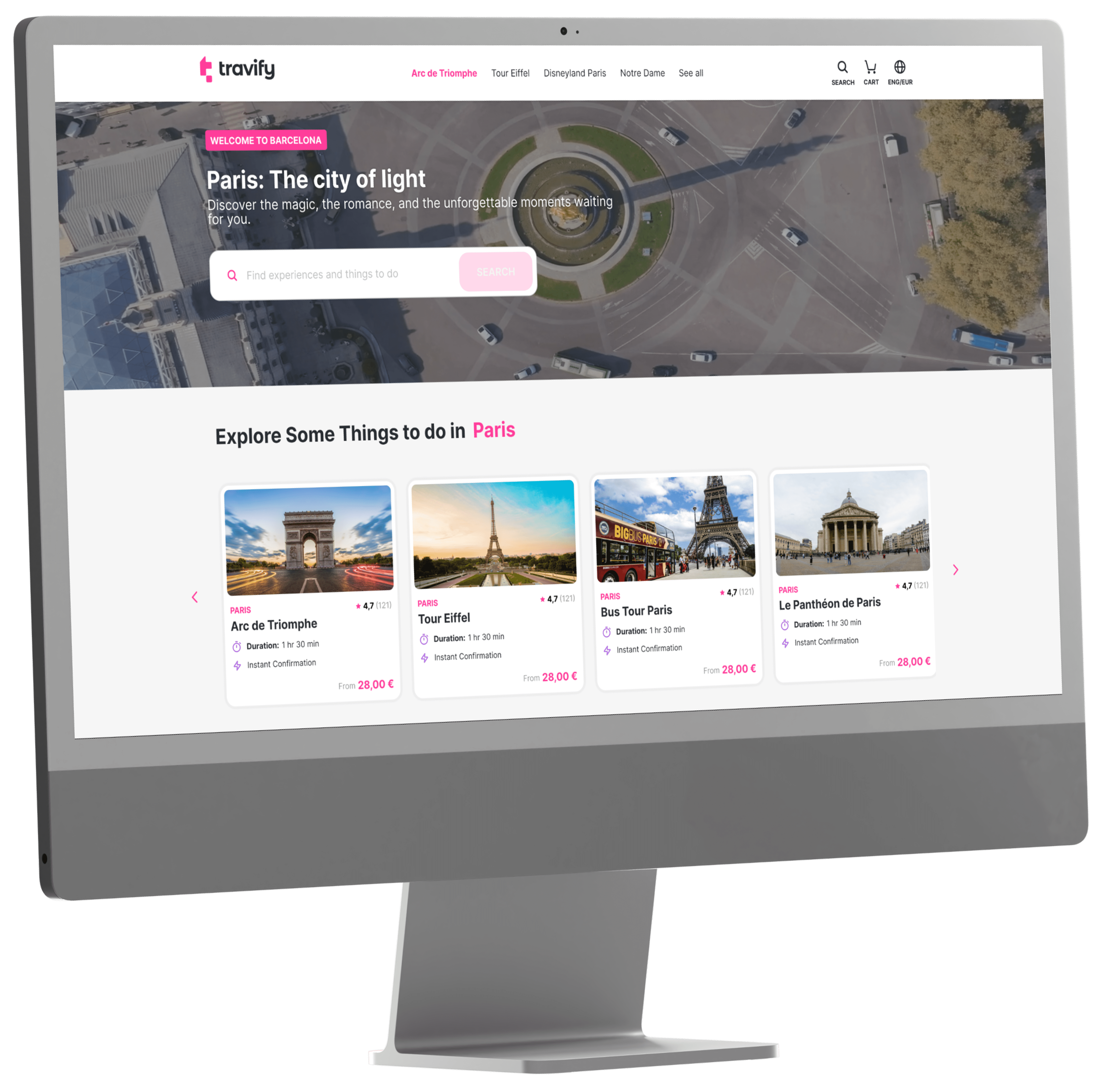
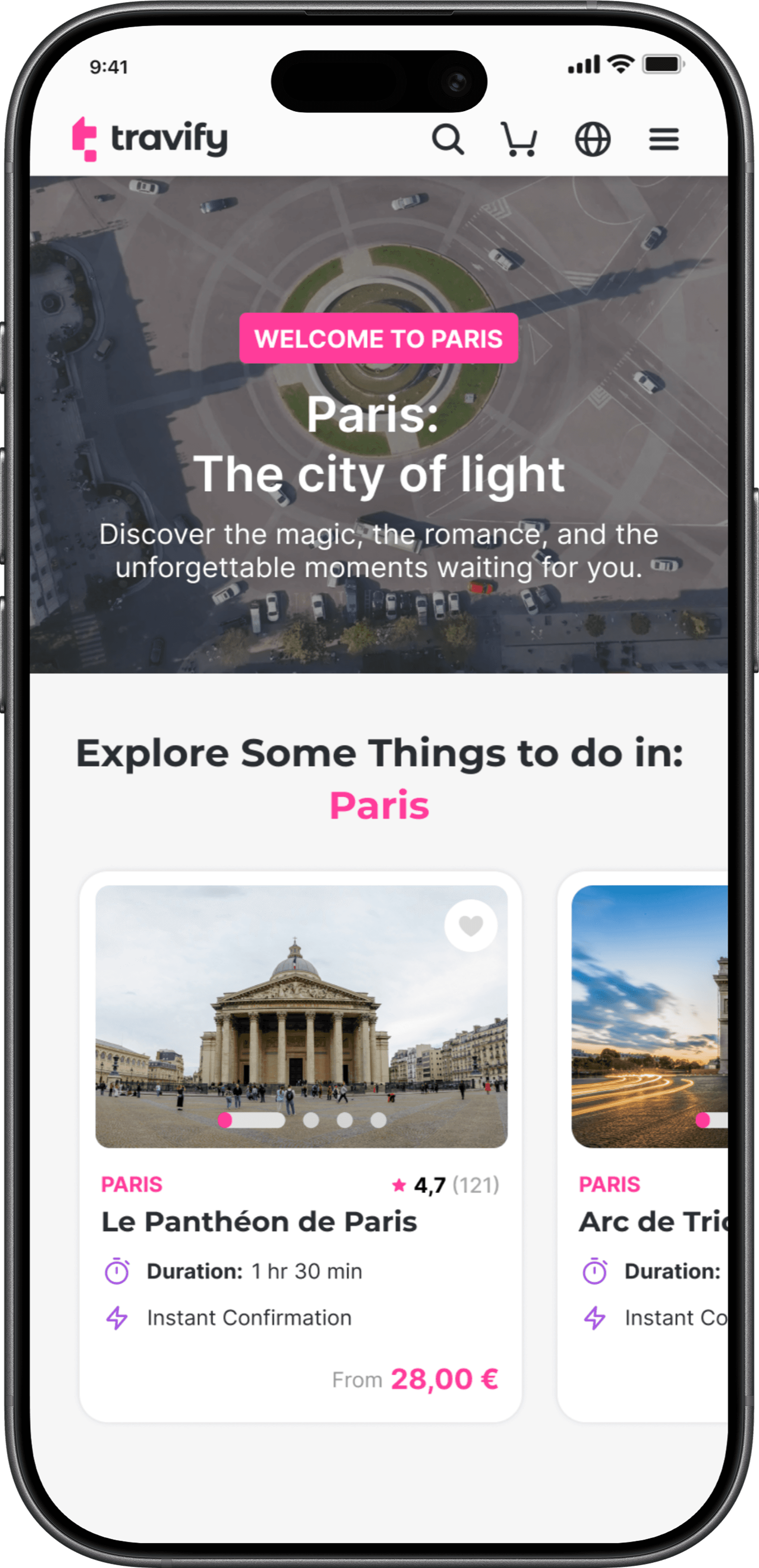
The platform relied on a legacy Strapi CMS, which introduced significant limitations in layout flexibility and content structuring. We had to design modular components that could be easily mapped to the existing data schema.
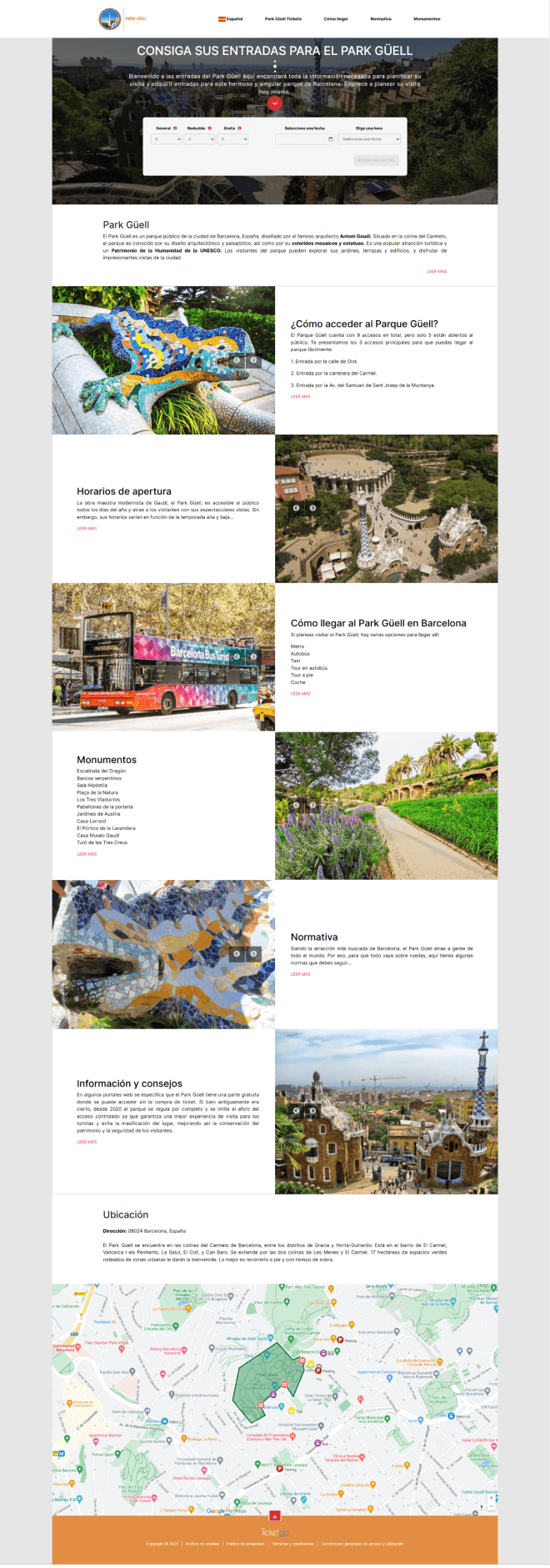
Design and Iteration
Evolution of Design and Iterations
Simple, Modern, Bold

V0
V1
V2
Chapter 03
RESULTS
Measuring the impact of design-led strategy on business growth and user satisfaction.

The Outcome
We didn't just redesign a site. we engineered a growth engine. By aligning technical performance with user psychology, we doubled revenue and set a benchmark for mobile travel commerce.
SOME CHANGES IN THE NEW DESIGN
Less complicated Ticket Widget
Requiring users to interact with six dropdowns in the "Procurar um imóvel?" section may x tedious and overwhelming.
60% Faster Booking Flow
Reduced completion time from 4 minutes to under 90 seconds.
Intuitive Navigation:
The navigation bar lacks hover or active state highlights, making it hard for users to know their current location.
Complicated Copy on Ticket Widget
Dropdown menus or clickable areas lack hover effects or other visual cues to indicate interactivity.
Lack of transparency factors
Dropdown menus or clickable areas lack hover effects or other visual cues to indicate interactivity.
Smart Review Routing
Automated Trustpilot logic increased public positive sentiment by 35%.
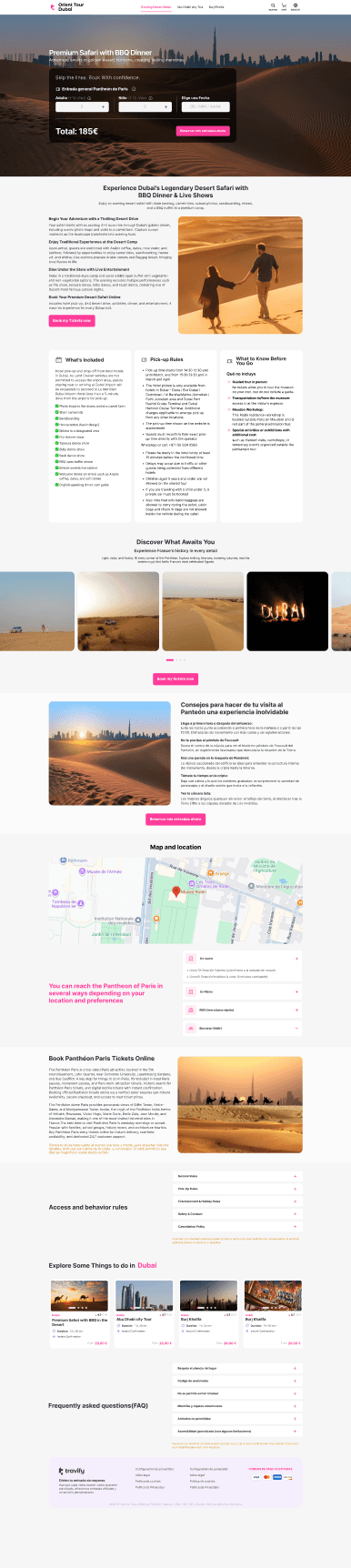
Features implemented
Business Impact and Metrics
Users feedback
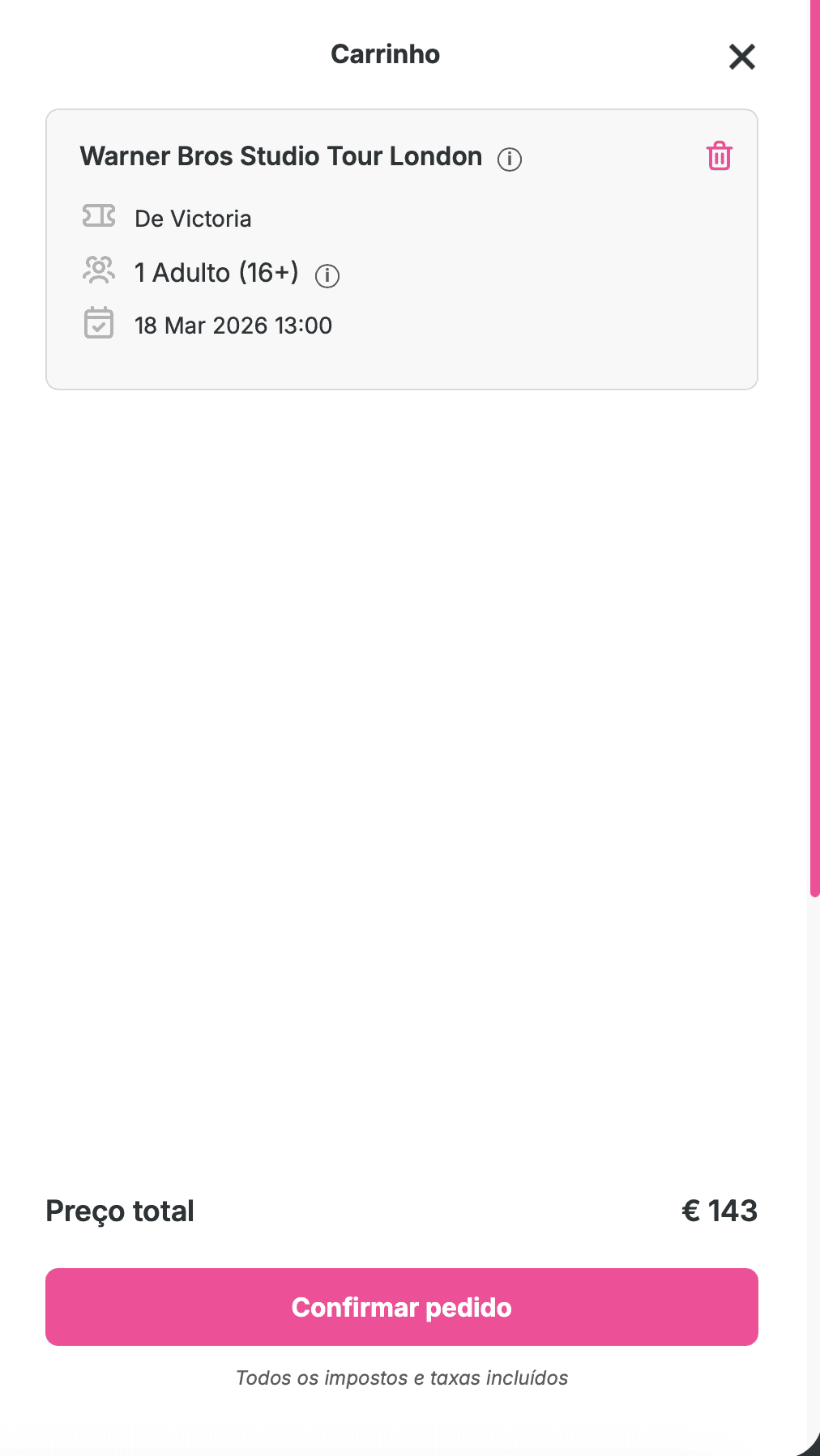
Features Implemented
Where others guess, get the quantitative and qualitative answers to all your user questions.
Cart Optimization
See what users are actually doing and understand the behavior behind your metrics.
Learn More
Multi Language Selector
Multi Currency Selector
More Transparent UX
Have a question or a project you'd like to discuss?
© 2026. Made with ❤ by Rui Albasini. All rights reserved